When Is Tree Damage an Emergency? 7 Warning Signs
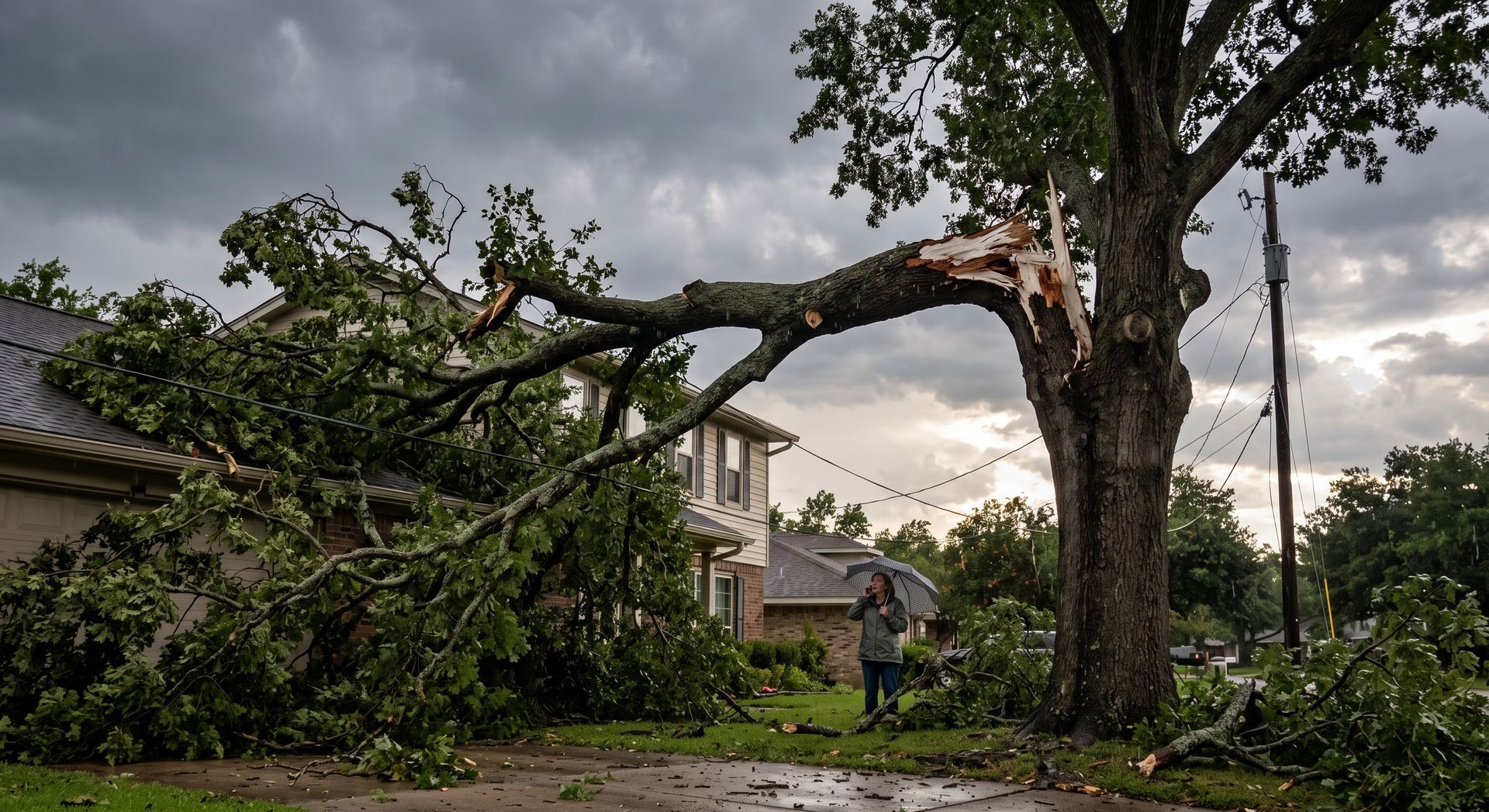
Tree damage may be an emergency when a tree or large branch has fallen, is threatening a home or occupied area, has become unstable after a storm, or is interfering with a power line. In these situations, keeping people away from the affected area should be the immediate priority.
For property owners in Jacksonville, Arkansas, knowing when to seek emergency tree service can make it easier to respond safely after high winds, heavy rain, or sudden tree failure. Some tree problems can wait for routine service, while others require more immediate attention.
What Qualifies as a Tree Emergency?
A tree problem becomes more urgent when there is an immediate or developing risk to people, buildings, vehicles, access points, or utilities.
For example, a few small dead branches may be suitable for scheduled trimming. A large broken limb hanging over a driveway or a tree that suddenly leans toward a house presents a different level of concern.
Storms can also turn existing weaknesses into urgent problems. Jacksonville property owners should pay particular attention to sudden changes following severe weather.
7 Warning Signs of a Tree Emergency
1. A Tree Has Fallen on a Home or Structure
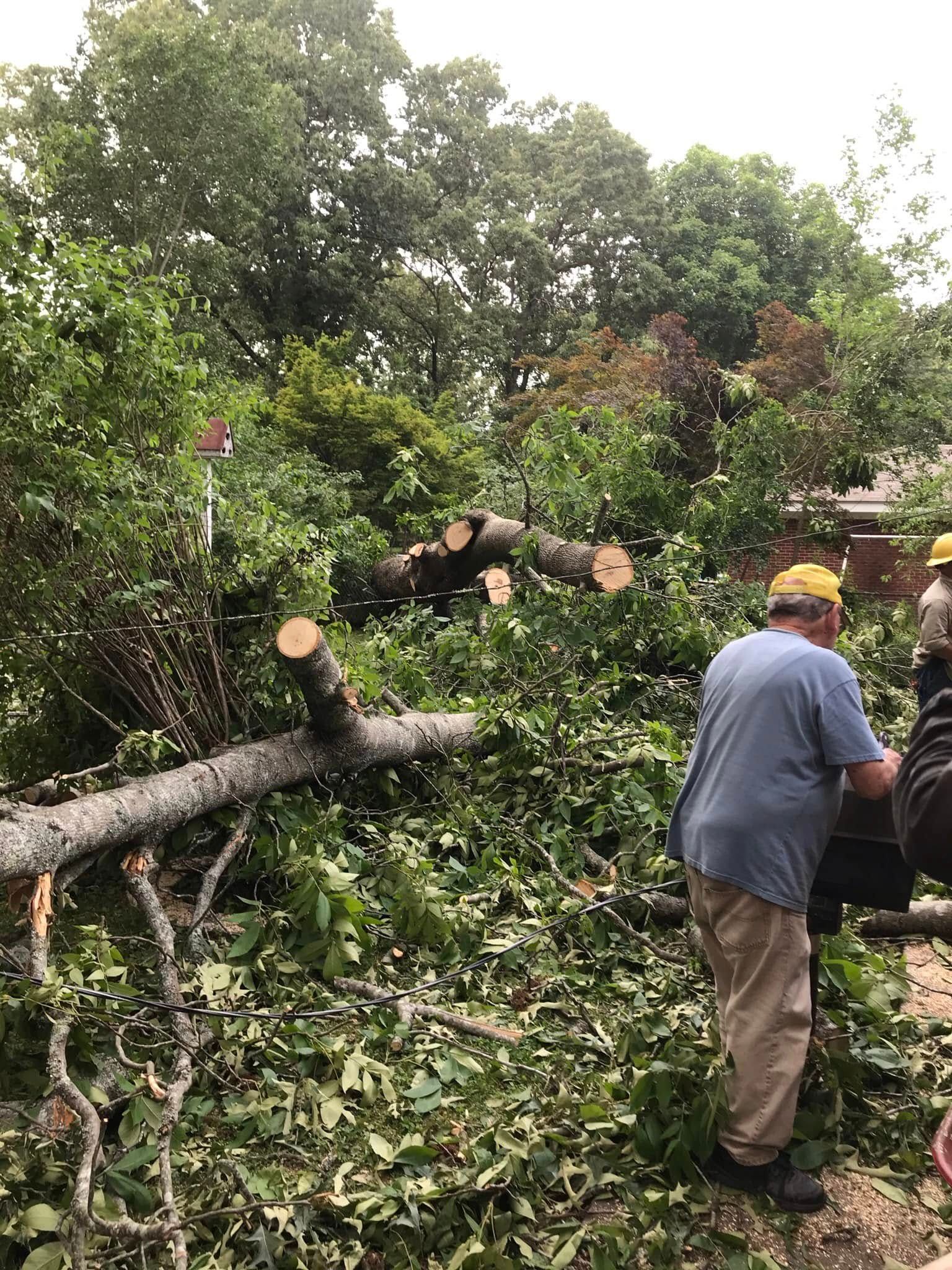
A fallen tree affecting a house, garage, fence, shed, or other structure requires caution. Even when the visible damage appears limited, the tree may still contain heavy branches under tension or unstable sections that can shift unexpectedly.
Keep people away from the affected area and avoid attempting to move large sections of the tree without appropriate experience and equipment.
2. A Large Branch Is Hanging Over an Occupied Area
Broken branches do not always fall immediately. A large limb can remain caught in the canopy after wind or storm damage, creating a hazard below.
Hanging limbs over entrances, walkways, driveways, parking areas, patios, or other frequently used spaces deserve prompt attention. Avoid walking, parking, or working beneath a visibly damaged branch.
3. A Tree Suddenly Begins Leaning
Some trees naturally grow at an angle. The greater concern is a tree that develops a new lean or becomes noticeably more tilted over a short period.
A sudden change after heavy rain or strong winds may be accompanied by disturbed soil, exposed roots, or movement near the base. If the tree is leaning toward a building, road, driveway, or occupied area, keep a safe distance.
4. The Trunk Has Split or Suffered Major Damage
A large crack or split through the trunk can affect the tree's structural stability. This is especially concerning when the damage develops suddenly during a storm or involves a major section of the tree.
Avoid standing beneath damaged portions or attempting to pull apart, cut, or stabilize large sections yourself. The weight and tension within damaged wood can make its movement difficult to predict.
5. Major Roots Have Shifted or Become Exposed
Roots help anchor a tree in the ground. After severe weather, you may notice lifted soil, newly exposed roots, or movement around the base of a tree.
These changes can be particularly concerning when they occur together with a new lean. Keep people and vehicles away from the potential fall area if a large tree appears unstable.
6. A Tree or Branch Is Near a Power Line
Trees and electricity require extra caution. A fallen or broken tree that is touching, resting on, or dangerously close to a power line should not be approached.
Do not attempt to cut the tree, remove branches, or touch anything that may be in contact with the line. Keep others away and contact the appropriate utility or emergency authority for guidance.
7. Storm Damage Is Blocking Important Access
A fallen tree or large branch can block a driveway, entrance, roadway, or another important access point. The situation can become more urgent when it prevents safe entry or exit from a property.
Even when clearing access is a priority, avoid trying to move large or unstable tree sections without appropriate equipment. Broken limbs and trunks may shift, roll, or release stored tension during cutting.
What Should You Do After Serious Tree Damage?
Start by keeping people and pets away from the damaged tree and surrounding area. Do not stand beneath broken limbs or approach a tree that appears unstable.
If electrical lines are involved, maintain your distance and contact the appropriate utility or emergency authority. Never assume a downed line is safe to approach.
From a safe location, look for obvious changes such as a new lean, split trunk, broken major limbs, exposed roots, or a partially fallen tree. Avoid climbing the tree or moving branches simply to get a closer look.
For non-electrical tree emergencies, professional emergency tree service may be appropriate when damaged or fallen trees require specialized equipment and experience to address safely.
Can Storm-Damaged Trees Wait for Regular Service?
It depends on the situation. Minor branch damage that does not threaten people or property may not require an emergency response.
More serious conditions deserve greater urgency. A partially fallen tree, hanging major limb, sudden lean, split trunk, or damage affecting an occupied area can present a more immediate safety concern.
When in doubt, treat unstable trees cautiously. Keep the surrounding area clear rather than attempting a temporary repair or cutting damaged sections yourself.
Frequently Asked Questions About Emergency Tree Service
Is a fallen tree always an emergency?
Not necessarily. A small tree that falls in an open, unused area may not create the same urgency as a large tree affecting a house, driveway, utility line, or occupied space. The location and potential consequences matter.
Should I cut a hanging branch after a storm?
Large hanging branches can shift or fall unexpectedly. Avoid working beneath them or attempting removal if the situation requires climbing, working at height, or cutting unstable wood.
What should I do if a tree falls near a power line?
Stay away from the tree, branches, and electrical line. Keep other people away as well and contact the appropriate utility or emergency authority. Do not attempt tree removal around an electrical hazard yourself.
Can high winds make a healthy-looking tree dangerous?
Strong winds can break limbs or expose existing structural weaknesses that were not previously obvious. After severe weather, pay attention to sudden leaning, major cracks, broken limbs, or movement around the roots.
Need Emergency Tree Service in Jacksonville, AR?
When fallen trees, broken limbs, or storm damage create an urgent tree problem, Fourth Generation Tree Service provides emergency tree services in Jacksonville, Arkansas. Visit the company website to learn more about available tree services and how to get in touch.
Recent Posts