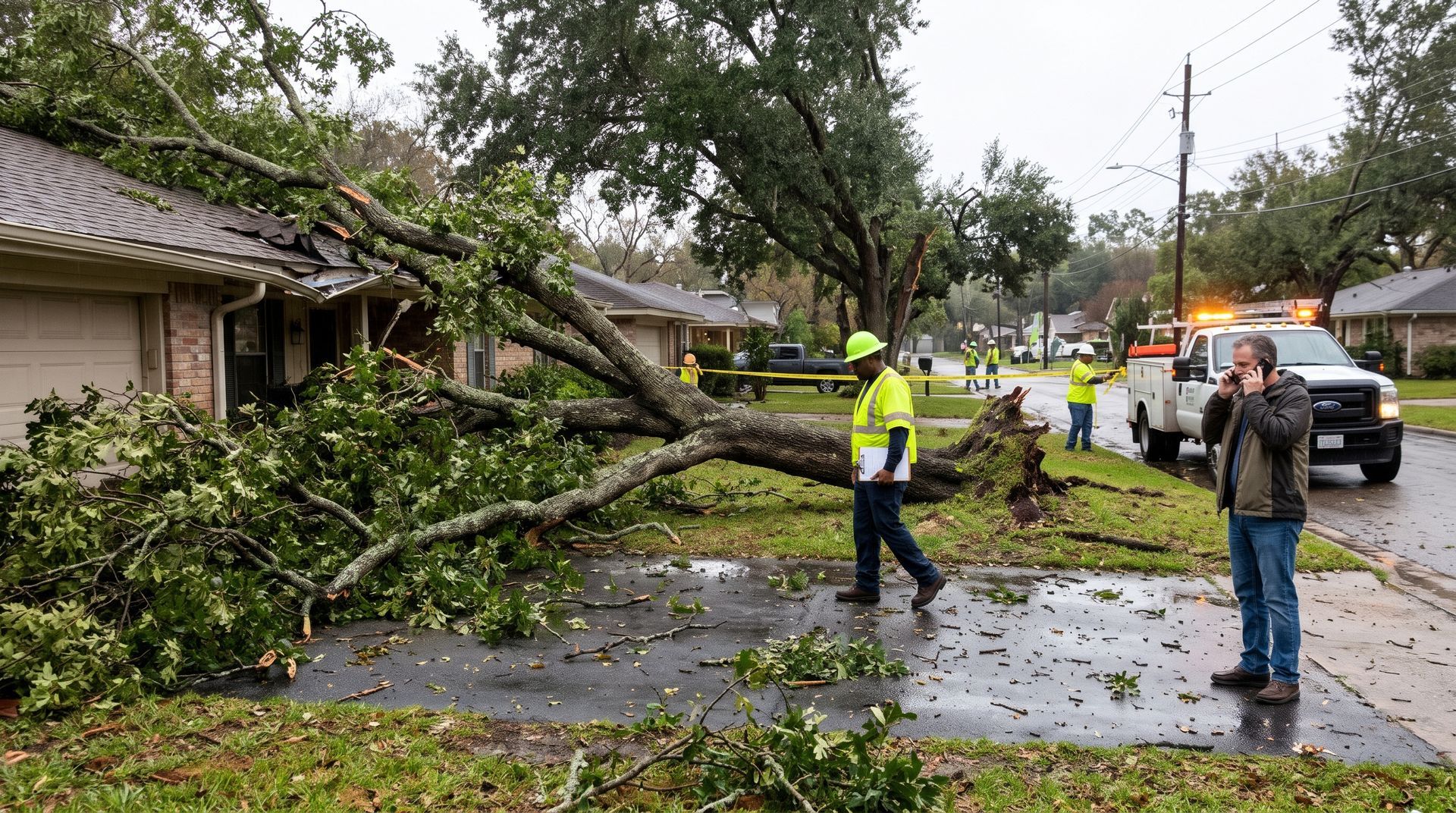
Knowing what to do when a tree falls after a storm starts with keeping everyone away from the affected area. Avoid downed power lines, unstable branches, and damaged structures. Once immediate hazards are addressed, document property damage and arrange professional fallen tree removal when necessary.
For homeowners in Jacksonville, Arkansas, severe thunderstorms and strong winds can bring down trees without warning. Following the right steps helps protect your family, property, and anyone involved in cleanup.
What Should You Do First After a Tree Falls?
Prioritize safety before inspecting damage or removing debris.
A fallen tree may contain cracked branches, unstable trunks, or wood under tension. Even after landing, sections can shift unexpectedly, particularly when resting against buildings or other trees.
Keep children, pets, and visitors away. Never climb onto the tree or begin cutting large branches without understanding the hazards.
If the tree has caused serious structural damage or immediate danger, contact emergency authorities.
6 Steps to Take After a Tree Falls
1. Stay Away From Downed Power Lines
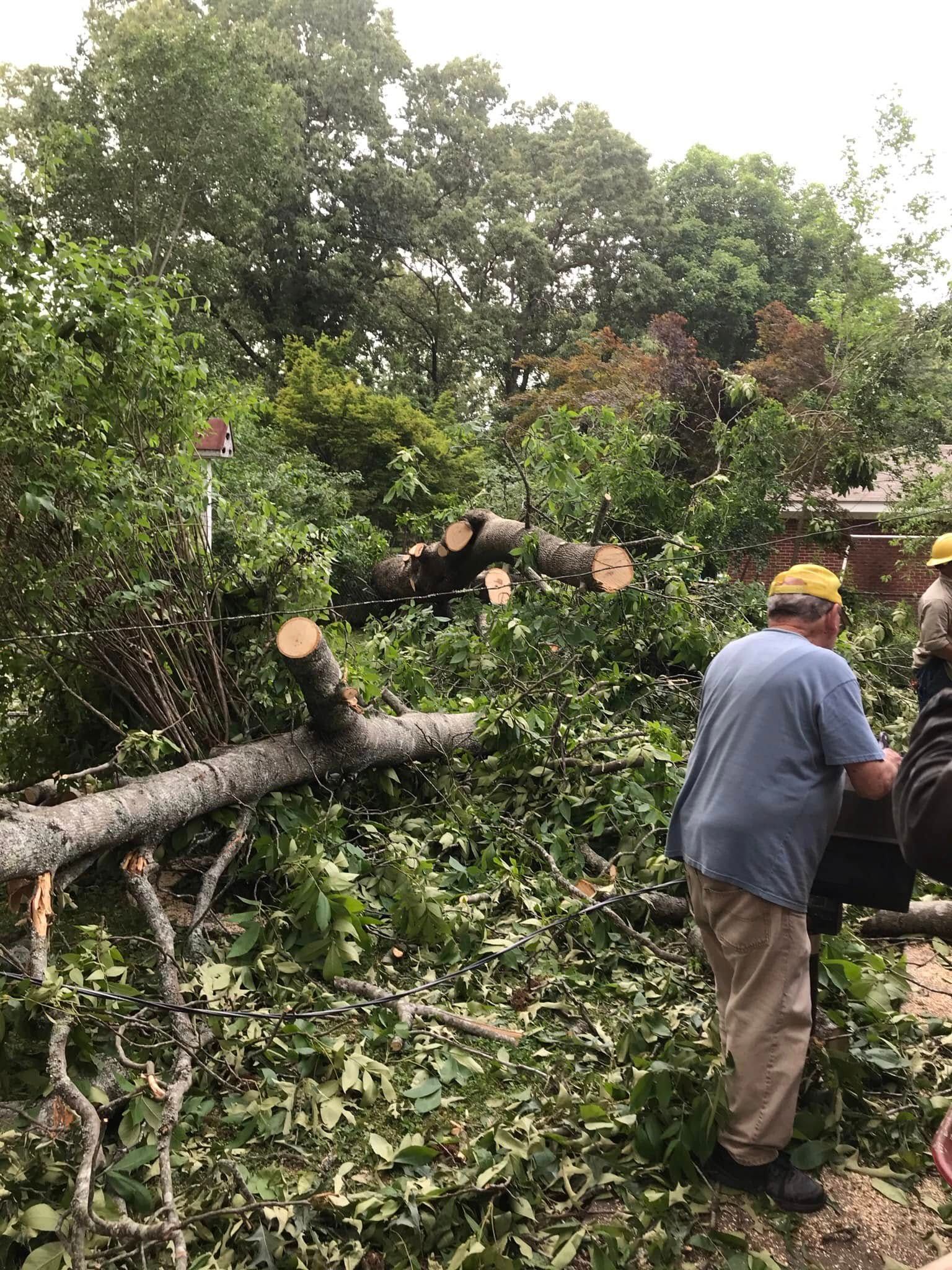
A fallen tree touching electrical wires presents a potentially deadly hazard.
Never touch the tree, branches, fences, or vehicles contacting a downed line. Keep everyone clear and notify the utility provider or emergency authorities.
Remember that electrical wires can remain energized even without visible sparks. Do not approach the area until qualified personnel confirm it is safe.
2. Inspect Damage From a Safe Distance
Once immediate hazards are identified, assess visible damage without entering dangerous areas.
Check whether the tree has affected your:
- Home, roof, or garage
- Fence or outdoor structures
- Driveway or parked vehicles
- Nearby trees and landscaping
Watch for hanging branches and split trunks. Avoid moving heavy debris simply to get a better view.
If a tree is leaning against your home, do not attempt to pull it away.
3. Keep Clear of Hanging Branches
Storm-damaged branches do not always fall immediately. Some remain partially attached or become trapped in nearby trees.
These hanging limbs, sometimes called widowmakers, can fall unexpectedly during additional wind or cleanup.
Keep people and vehicles outside the affected area. Never pull down large branches with ropes or stand underneath them while cutting.
Professional assessment is particularly important when branches hang over walkways, driveways, or occupied structures.
4. Document Property Damage
If conditions are safe, photograph visible damage before cleanup begins.
Capture the fallen tree, affected structures, and surrounding conditions from several safe viewpoints. These images may support conversations with your insurance provider.
Avoid climbing over debris or entering damaged buildings for photographs.
Homeowners insurance coverage varies depending on the policy, damage, and circumstances. Contact your insurer to understand documentation requirements and whether removal costs may be covered.
5. Avoid Cutting Large Fallen Trees Yourself
A fallen tree may look manageable, but cutting storm-damaged wood carries serious risks.
Branches and trunks can remain under compression or tension. Cutting the wrong section may cause heavy wood to spring, roll, or collapse.
Large trees may also require specialized equipment to remove safely.
For additional safety information, review OSHA's Hurricane and Flood Cleanup and Recovery guidance.
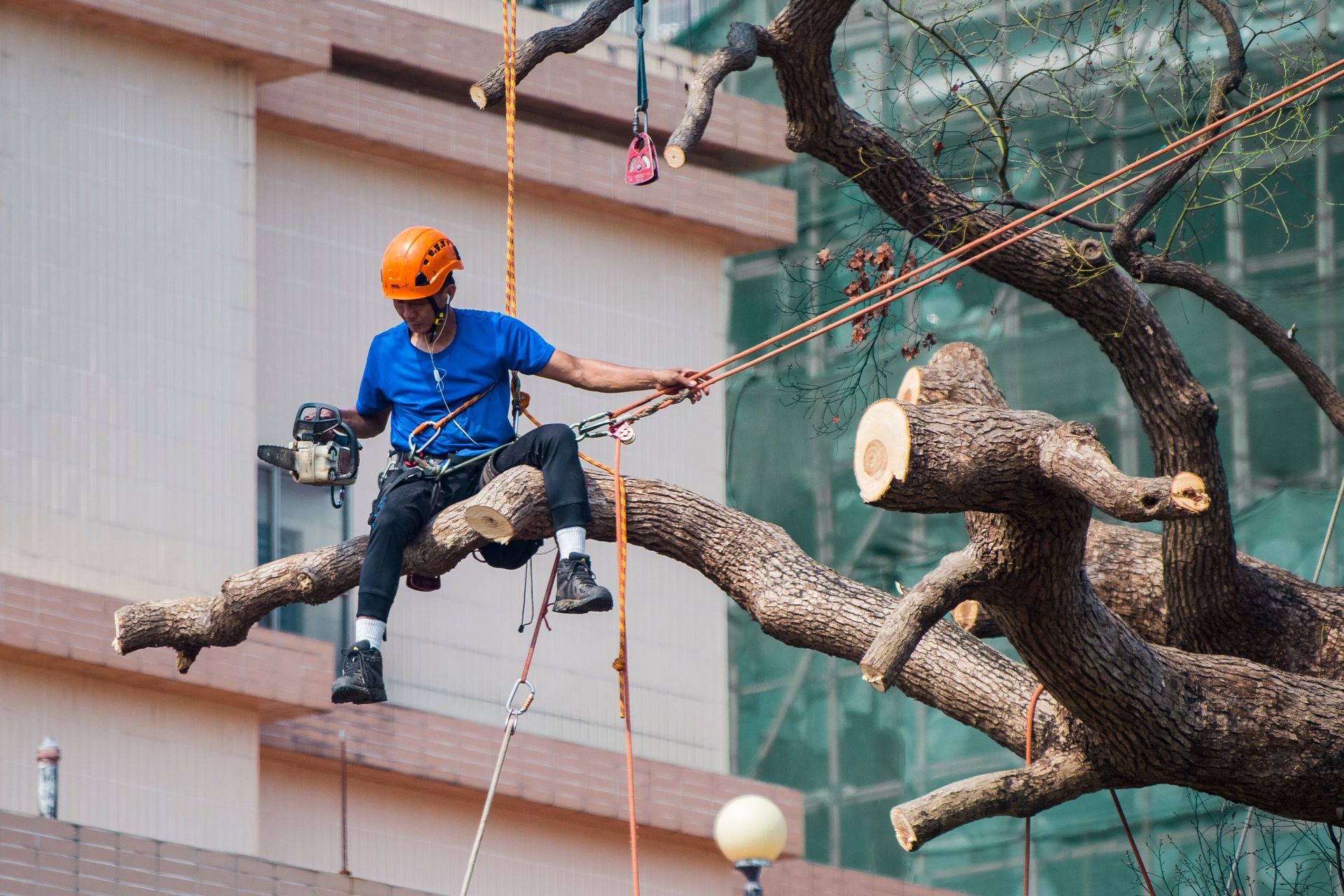
If removal involves heavy trunks, unstable branches, or structures, leave the work to experienced tree service professionals.
6. Schedule Professional Fallen Tree Removal
After electrical and immediate safety hazards have been addressed, determine whether professional tree removal is necessary.
Consider contacting a tree service when:
- A tree blocks your driveway or essential access.
- Heavy branches rest against a building.
- The trunk is split, unstable, or difficult to reach.
- Nearby trees show new cracks or significant leaning.
An experienced tree service can assess the situation and recommend an appropriate removal approach.
What if a Fallen Tree Damaged Your Home?
A tree falling onto a roof, garage, or other structure can create hazards beyond broken branches.
Avoid entering areas with visible structural damage, sagging ceilings, or unstable walls. Contact emergency authorities if occupants are at risk.
Once safe, document the damage and notify your insurance provider.
Tree removal and structural repairs are separate services. After tree-related hazards are addressed, qualified repair professionals may need to inspect the building before repairs begin.
Do not remove supporting branches yourself, as doing so could cause additional movement or damage.
What if a Fallen Tree Blocks Your Driveway?
A blocked driveway can disrupt work, appointments, and emergency access.
Before clearing anything, check for overhead branches, electrical wires, and unstable trunks.
Small, loose debris may be safe to move once hazards are ruled out. However, heavy limbs and trunks require additional caution.
If the tree blocks essential access, explain the situation when contacting a tree removal company so the urgency can be assessed.
Can You Prevent Trees From Falling During Storms?
Not every tree failure is preventable, but regular inspections and maintenance can help identify visible problems.
Watch for dead branches, trunk cracks, exposed or shifting roots, and trees developing a noticeable lean.
Professional tree trimming may address certain damaged or overgrown branches before severe weather arrives.
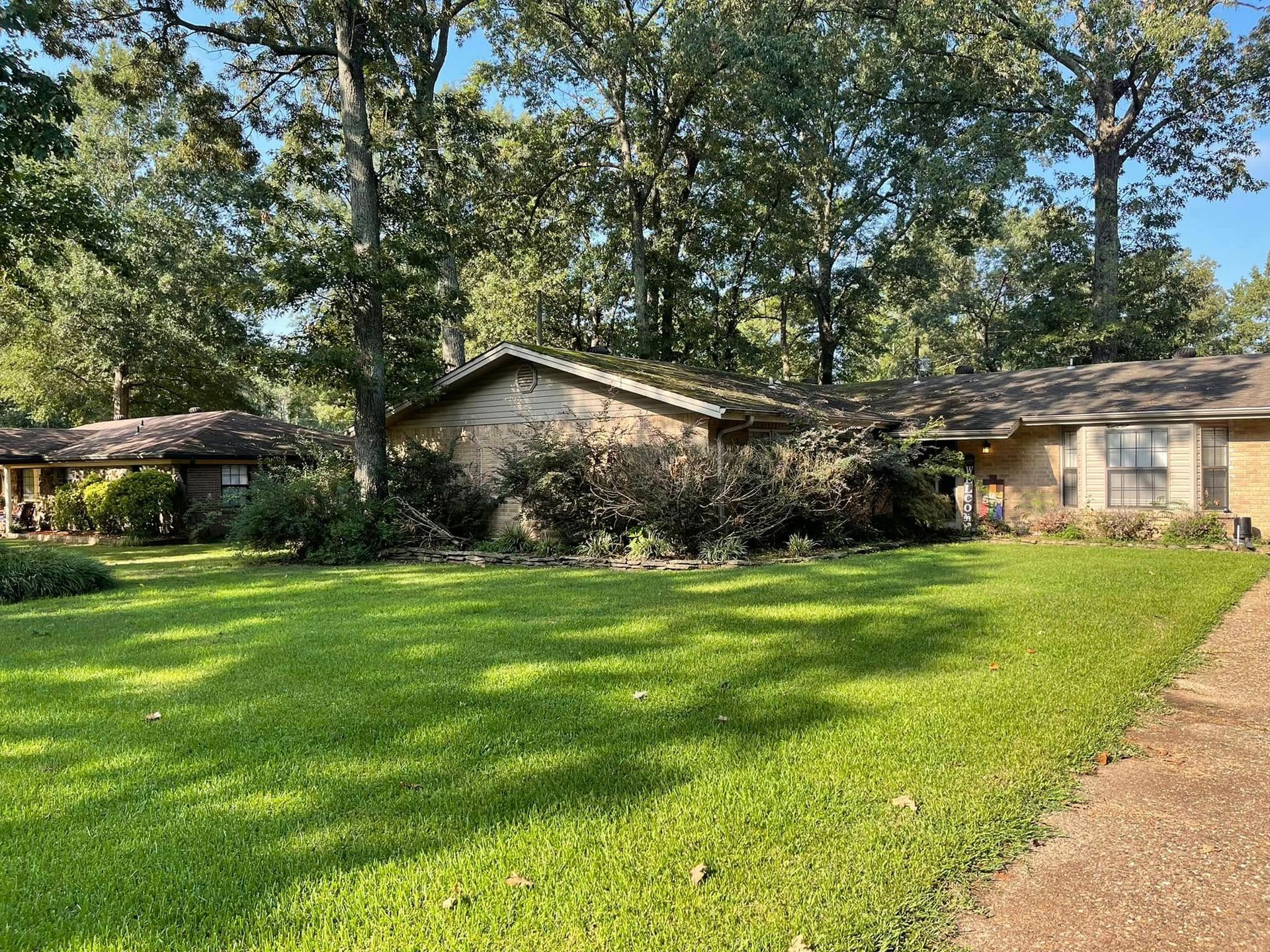
Jacksonville property owners should also inspect trees after major storms, especially when branches have broken or the surrounding soil has shifted.
Frequently Asked Questions About Fallen Trees
Should I remove a fallen tree immediately?
Removal urgency depends on the hazard. Trees affecting buildings, electrical lines, or essential access require prompt attention. Trees lying in unused open areas may be less urgent.
Can I cut up a fallen tree myself?
Small, loose debris may be manageable, but cutting large trunks or branches under tension can be dangerous. Professional removal is recommended for unstable sections.
What if a tree falls on a power line?
Stay away, prevent others from approaching, and contact the utility provider or emergency authorities. Never attempt to move the tree or electrical wire.
Should I photograph damage before tree removal?
Yes, when safe. Photographs can help document property damage for insurance discussions. Follow your provider's specific documentation instructions.
Need Fallen Tree Removal in Jacksonville, AR?
If a storm-damaged tree threatens your property or blocks access, professional assistance can help address the situation safely.
Fourth Generation Tree Service provides tree removal and emergency tree services in Jacksonville, Arkansas.
Contact Fourth Generation Tree Service to inquire about available services, including fallen tree removal after a storm.