When Is the Best Time to Trim Trees in Arkansas?

October 1, 2026
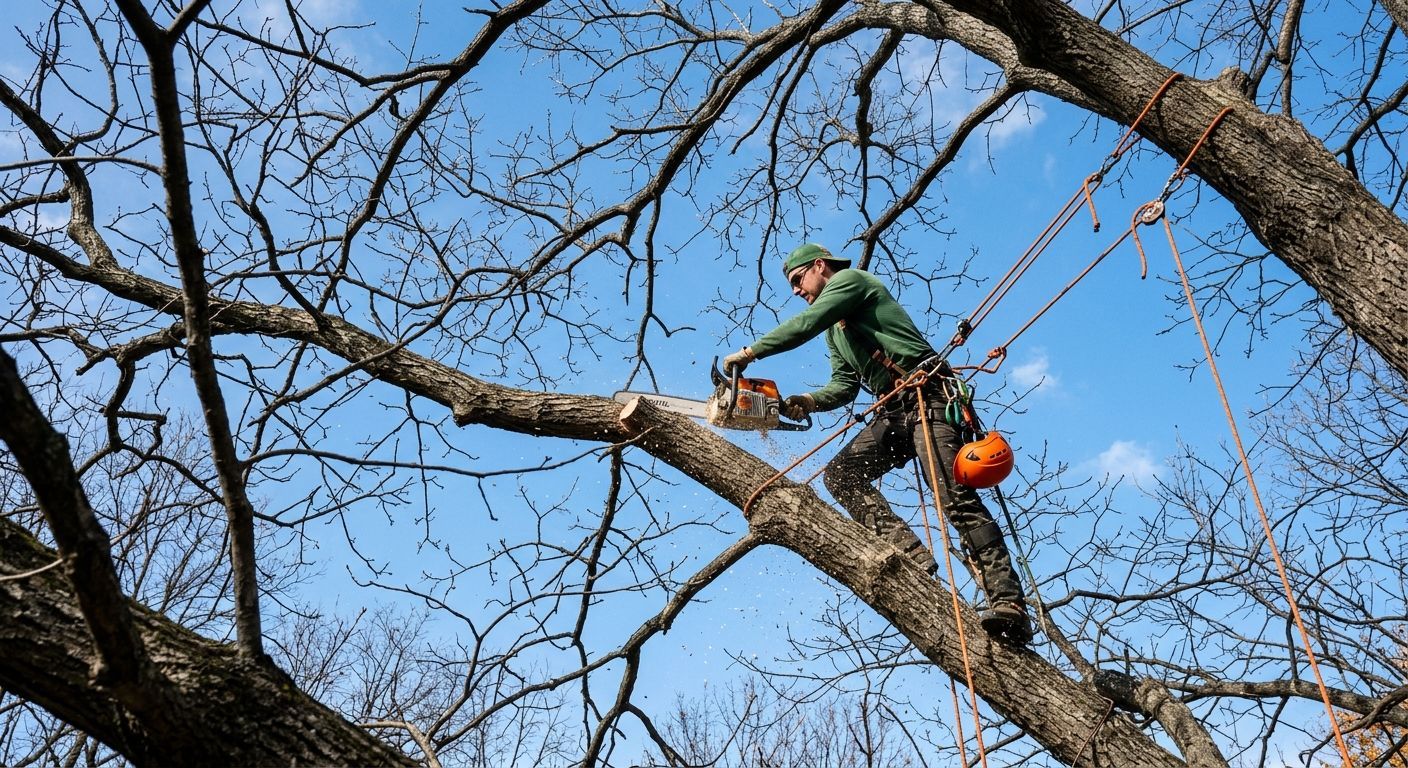
Arborist in green climbing a tree with safety gear and orange tool bag against a blue sky

The best time to trim trees in Arkansas often depends on the tree species, its condition, and the reason for trimming. For many trees, late winter or the dormant season can be a practical time for routine pruning because there is less active growth. However, dead, broken, damaged, or hazardous branches may need attention whenever they create a concern.

For property owners in Jacksonville, timing tree trimming carefully can support healthy growth, improve clearance, and address overgrown or damaged branches. Understanding seasonal considerations can also help you avoid treating every tree the same way.

Why Does Tree Trimming Timing Matter?

Tree trimming changes the canopy by removing branches, so timing can influence how a tree responds.

Routine trimming may be used to address overgrowth, remove unwanted branches, improve clearance, or manage the tree's overall structure. In other situations, trimming is necessary because branches have broken or become damaged.

The appropriate timing is not always determined by the calendar alone. Tree species, condition, weather, branch location, and the purpose of the work can all influence when trimming makes sense.

What Is Generally the Best Season to Trim Trees?

For many deciduous trees, the dormant period is commonly considered a practical time for routine trimming. Dormancy generally occurs after leaves have dropped and before active spring growth begins.

Late Winter Can Be a Good Time for Routine Trimming

Late winter offers several practical advantages. Without a full canopy of leaves, branch structure may be easier to see, and there is typically less active growth than during spring or summer.

For property owners, winter can also be a useful time to address branches that have become too close to roofs, driveways, walkways, fences, or other areas of the property.

However, not every tree should automatically be trimmed on the same winter schedule. Species and individual tree conditions still matter.

Spring Trimming Requires More Consideration

Spring is a period of active growth for many trees. This does not mean that trees can never be trimmed during spring, but routine work should take the tree's growth and condition into account.

If the main concern is a broken or dangerous branch, waiting for another season may not make sense. Safety-related problems should be considered separately from routine seasonal maintenance.

Summer Can Reveal Overgrowth and Clearance Problems

A full summer canopy can make certain problems easier to notice. Branches may interfere with walkways, extend toward structures, block access, or become more noticeable once foliage is fully developed.

Summer trimming may sometimes be used to address specific growth or clearance concerns. Excessive or unnecessary cutting, however, should be avoided simply because a tree looks full.

Fall Is a Good Time to Observe Tree Condition

As trees begin transitioning toward dormancy, fall can be a useful time for property owners to look for dead branches, storm damage, unusual growth, or limbs that may become problematic.

That does not mean every tree should be heavily trimmed in fall. Instead, use the season as an opportunity to identify concerns and plan appropriate tree maintenance.

When Should You Trim a Tree Regardless of Season?

Some branch problems should not be ignored simply because it is not the preferred season for routine trimming.

Dead or Broken Branches

Dead and broken limbs can fall unexpectedly, especially during high winds or severe weather. The concern becomes greater when they hang over homes, vehicles, driveways, walkways, or frequently used areas.

Storm-Damaged Branches

Arkansas storms can leave branches cracked, partially detached, or hanging in the canopy. If a branch appears unstable, keep people and vehicles away from the area below it.

Avoid attempting to pull down or cut large hanging branches without appropriate experience and equipment.

Branches Creating Access Problems

Overgrown limbs may interfere with driveways, walkways, entrances, fences, or other areas that need regular access.

Addressing these branches may be necessary even when the work does not fall within an ideal seasonal window.

How Often Should Trees Be Trimmed?

There is no single trimming schedule that applies to every tree.

Some trees may require occasional maintenance because of their growth pattern or location, while others may need less frequent attention. Tree size, species, age, condition, previous trimming, and proximity to structures can all affect how often work is needed.

Rather than trimming simply because a certain amount of time has passed, property owners can watch for specific reasons to act. Dead limbs, excessive overgrowth, damaged branches, and clearance problems are more useful indicators than following a rigid schedule.

What Are Signs Your Trees May Need Trimming?

Several visible changes can indicate that trimming should be considered:

  • Dead, cracked, or broken branches
  • Limbs hanging over frequently used areas
  • Excessive growth affecting access
  • Branches extending toward roofs or structures
  • Storm-damaged limbs
  • Dense or unwanted growth that has become difficult to manage

Avoid cutting large branches or working high in a tree when the job requires equipment or experience beyond routine property maintenance.

If a branch is touching or near a power line, stay away and contact the appropriate utility or emergency authority.

Frequently Asked Questions About Tree Trimming

Is winter the best time to trim every tree?

No. While dormant-season trimming can be suitable for many trees, species, condition, and the purpose of trimming matter. There is no single season that is ideal for every tree and every situation.

Can trees be trimmed during summer?

Yes, trees can sometimes be trimmed during summer, particularly when there is a specific branch or clearance issue. The amount and purpose of trimming should be considered rather than treating summer as an automatic trimming season.

Should storm-damaged branches wait until winter?

Potentially hazardous storm damage should not be ignored solely to wait for a preferred season. Keep people away from unstable limbs and consider professional tree service when damaged branches require specialized equipment or experience.

How do I know when a tree needs professional trimming?

Large branches, significant heights, storm damage, unstable wood, or limbs near structures can make trimming more complicated. Situations involving power lines require additional caution and should be directed to the appropriate utility or authority.

Need Tree Trimming in Jacksonville, AR?

If your trees have overgrown, dead, broken, or storm-damaged branches, Fourth Generation Tree Service provides tree trimming and pruning services in Jacksonville, Arkansas. Visit the company website to learn more about available tree services and how to get in touch.

Recent Posts

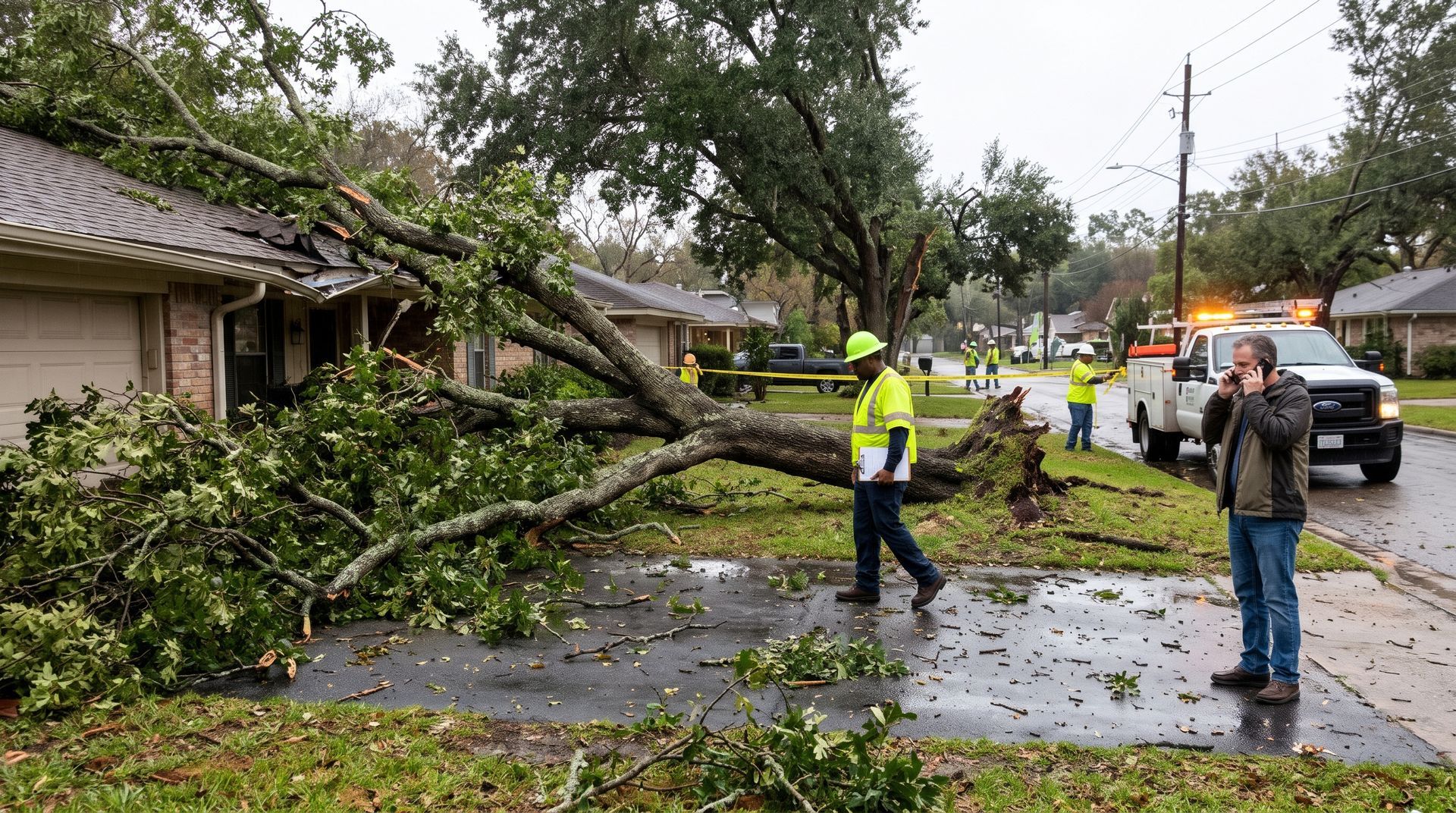
Tree fallen across wet residential street while workers in safety vests clear debris after a storm
November 2, 2026
Learn what to do when a tree falls after a storm in Jacksonville, AR. Stay safe, document damage, and know when professional fallen tree removal is needed.
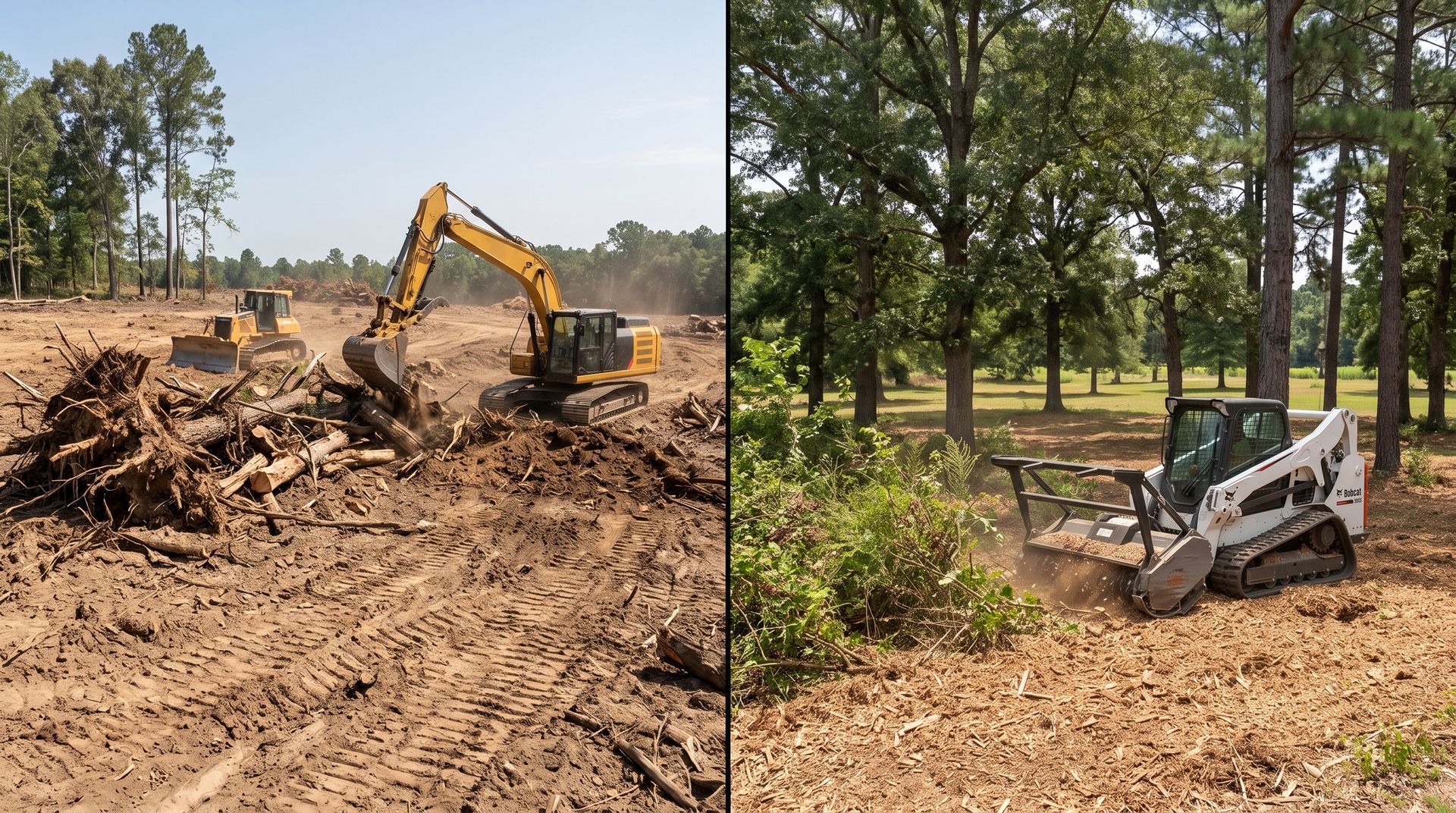
Two construction machines clearing brush and dirt in a wooded field
October 16, 2026
Compare land clearing vs. brush clearing to find the best option for your overgrown property or future project in Jacksonville AR. Learn which suits your needs best.
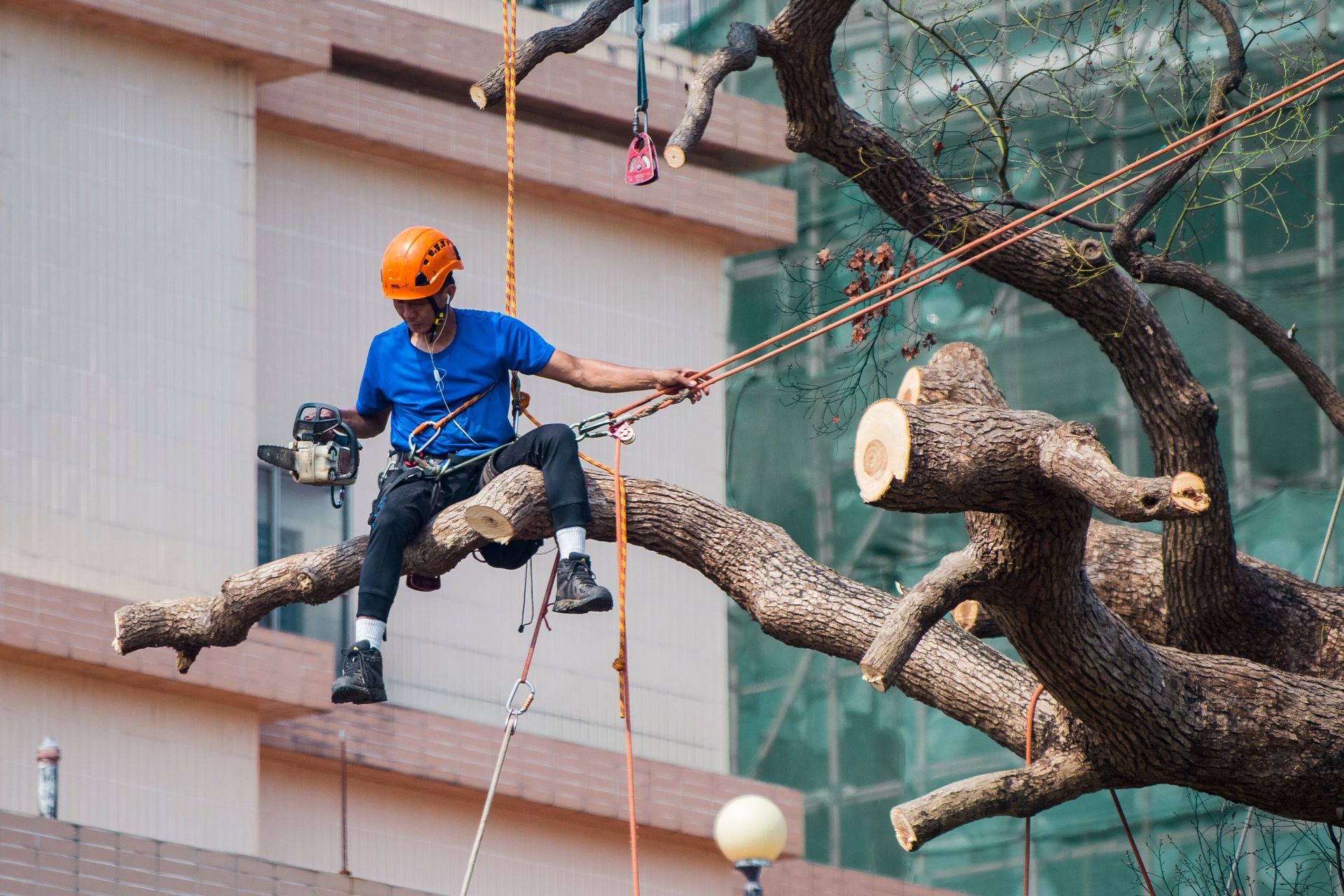
Tree worker in orange helmet rappels along a large branch beside a building
September 16, 2026
Looking for tree service in Jacksonville, AR? Learn what to consider when choosing a company for tree removal, trimming, storm damage, and more for your tree needs.
Suburban home with a large green lawn and trees, viewed from a driveway under clear daylight
September 1, 2026
Know when to call an emergency tree service for fallen trees, broken limbs, or storm damage that may threaten your Jacksonville, AR property. Stay safe!
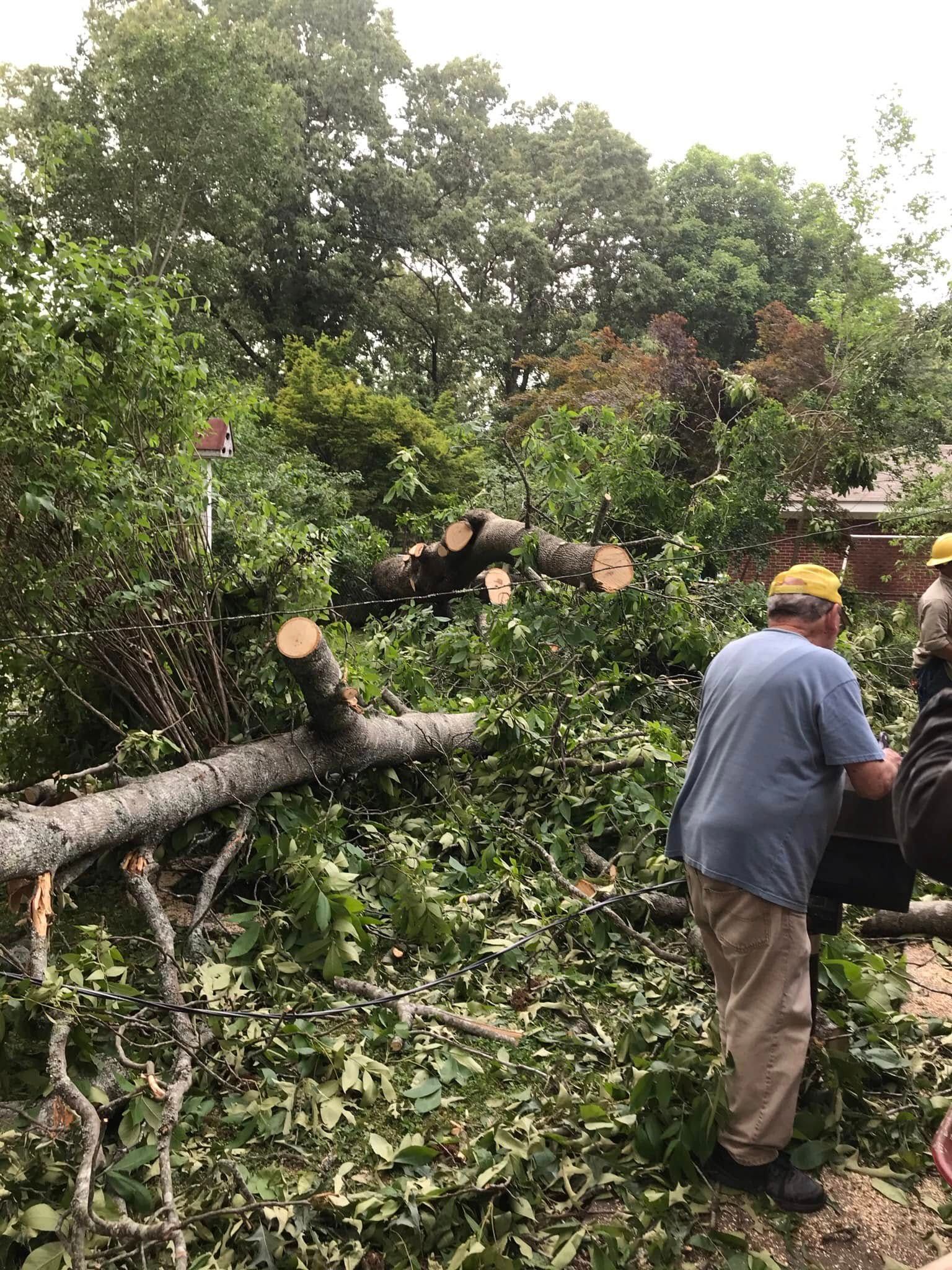
Worker clearing a fallen tree in a leafy yard, with cut branches and logs scattered around.
August 17, 2026
Learn the signs a tree needs removal and when professional tree removal in Jacksonville, AR, may be the right choice for your property. Get expert advice today now.